A to Z
The Iberian jamón glossary
Pata Negra, Bellota, Cebo de Campo, D.O.P. These words are on every label, and almost nobody knows what they guarantee. Here is what each one means.
Pig Breeds
Duroc pig — crossed with the Iberian for marbling and texture. That crossing is what produces the Cebo and Cebo de Campo grades.
Pata Negra — literally, black trotter. The name gets used for anything, but it legally belongs to one thing only: the 100 % Iberian acorn-fed pig, the only one allowed to carry the black label.
Rearing Methods
Cebo de Campo — at least 60 days outdoors, on a mixed diet of cereals, grasses and whatever the land gives. Halfway between freedom and yield.
Cebo — farm rearing, cereals and legumes, no access to pasture. The most common method, and the cheapest to produce.
La Dula / la dehesa — the communal pasture that gave this ecosystem its name, and ours. The full story is at the bottom of this page.
Jamón and Its Classification
Once you know the breed and the diet, the label does the rest. Black, red, green or white: it states the exact grade of the piece. These are the five classifications recognised by Spanish law, and the ones we check ourselves on every ham we import.
Jamón 100 % Ibérico de Bellota
Black label · 42 months
100 % Iberian pig, free in the dehesa and fed only on acorns during the montanera. The only ham the law lets you call Pata Negra.
Jamón Ibérico de Bellota
Red label · 36 months
Iberian pig, free in the dehesa too, fattened on acorns during the montanera. The same life, a crossed breed.
Jamón Ibérico de Cebo de Campo
Green label · 30 months
At least sixty days outdoors in the dehesa, on pasture, natural resources and grain.
Jamón Ibérico de Cebo
White label · 26 months
Farm rearing, grain and legumes, no access to pasture. The way into the Iberian range.
Jamón 100 % Duroc
Yellow label · our own
Pure Duroc breed, intense and marbled. A good ham, and a different one: it is not Iberian.
The Paleta and the Regions
Huelva, Extremadura, Salamanca, Los Pedroches — the regions of the historic dehesas, where the best Iberian pigs have been raised for generations.
Jabugo — a village in the province of Huelva that became a name in its own right, and one of the most prestigious appellations in the sector.
Where Does the Name "La Dula" Come From?
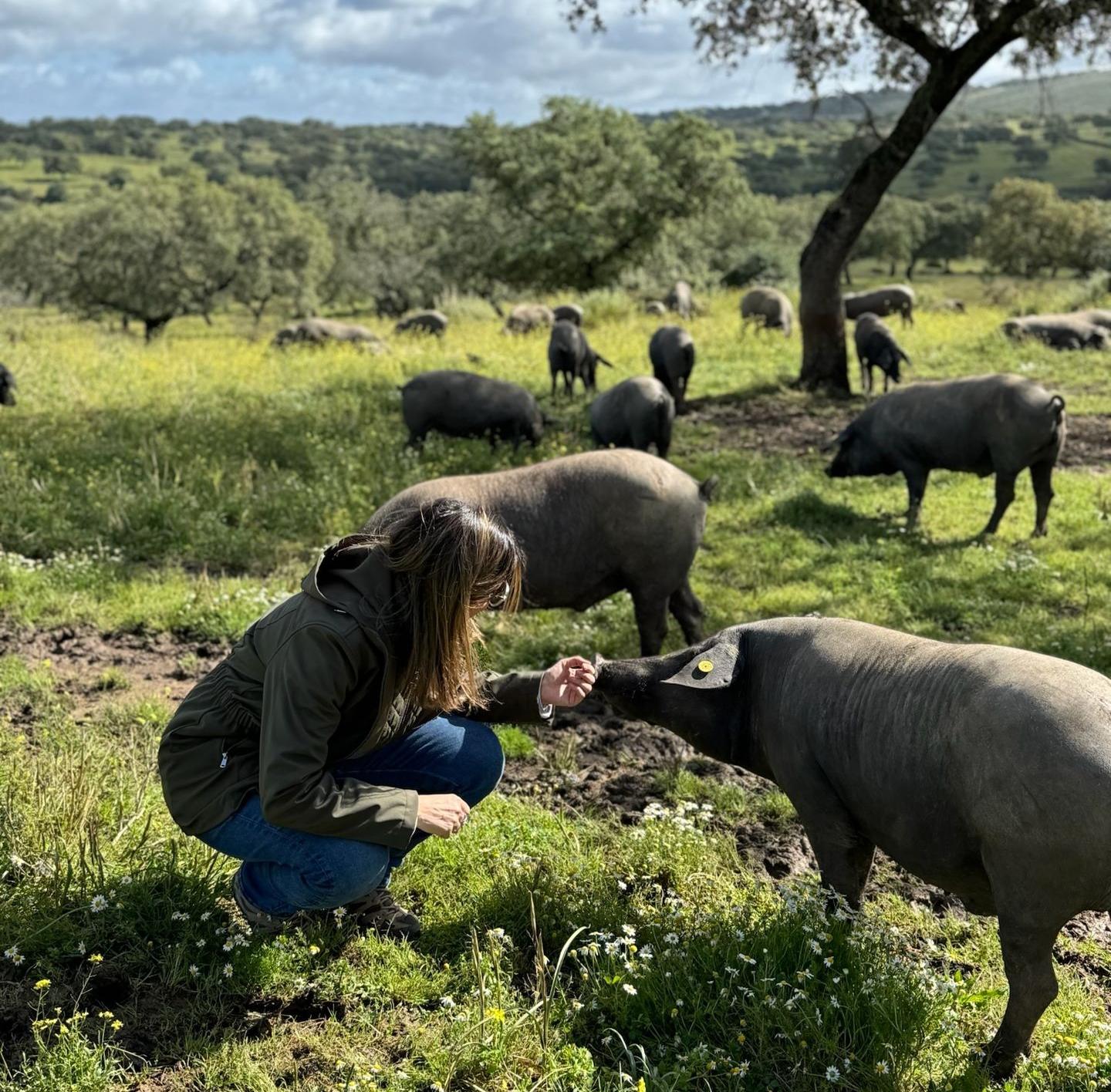
In Spain, a Dula once referred to a communal pasture where the village's animals grazed freely under a guardian's watch. Today, these lands are better known as the Dehesa, a unique ecosystem spanning nearly 4 million hectares between Spain and Portugal. A true jewel of the Iberian landscape, the Dehesa is shaped by both man and nature, where farming and biodiversity coexist in perfect harmony.
Within a Dula, majestic holm oaks and cork oaks produce the famous Bellota (acorn), an essential food source for Iberian pigs 🐖. These vast pastures provide the ideal setting for raising these animals, guaranteeing an exceptional jamón ibérico.
Some Dulas have become legendary. Have you heard of Jabugo, Salamanca or Huelva? These are the regions where the Iberian pigs behind the most sought-after hams are born and raised.
At LA DULA, we import straight from Spain's finest Dulas, from artisans who have done this for generations. We bring in the complete Iberian range exclusively from Cárnicas Pozas and Juan Pedro Domecq: Jamón and Paleta across all four grades certified under Spanish law. Everything is sliced to order in our Geneva shop.
Now you have what you need to read a label.
All that is left is to taste the difference. The full range is in the shop, full selection in our online shop from the 100 % Ibérico de Bellota jamón to the paleta.
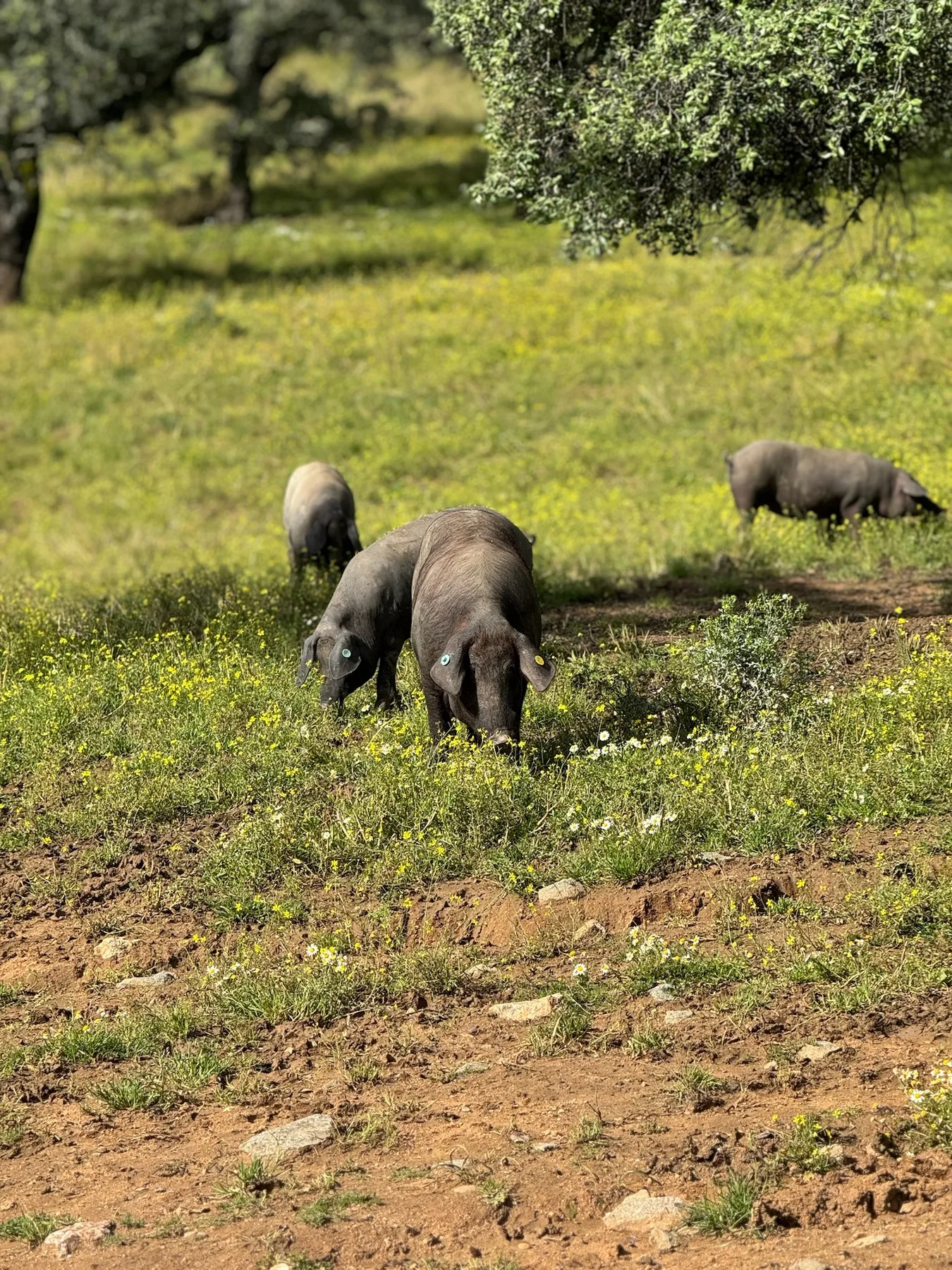
The dehesa
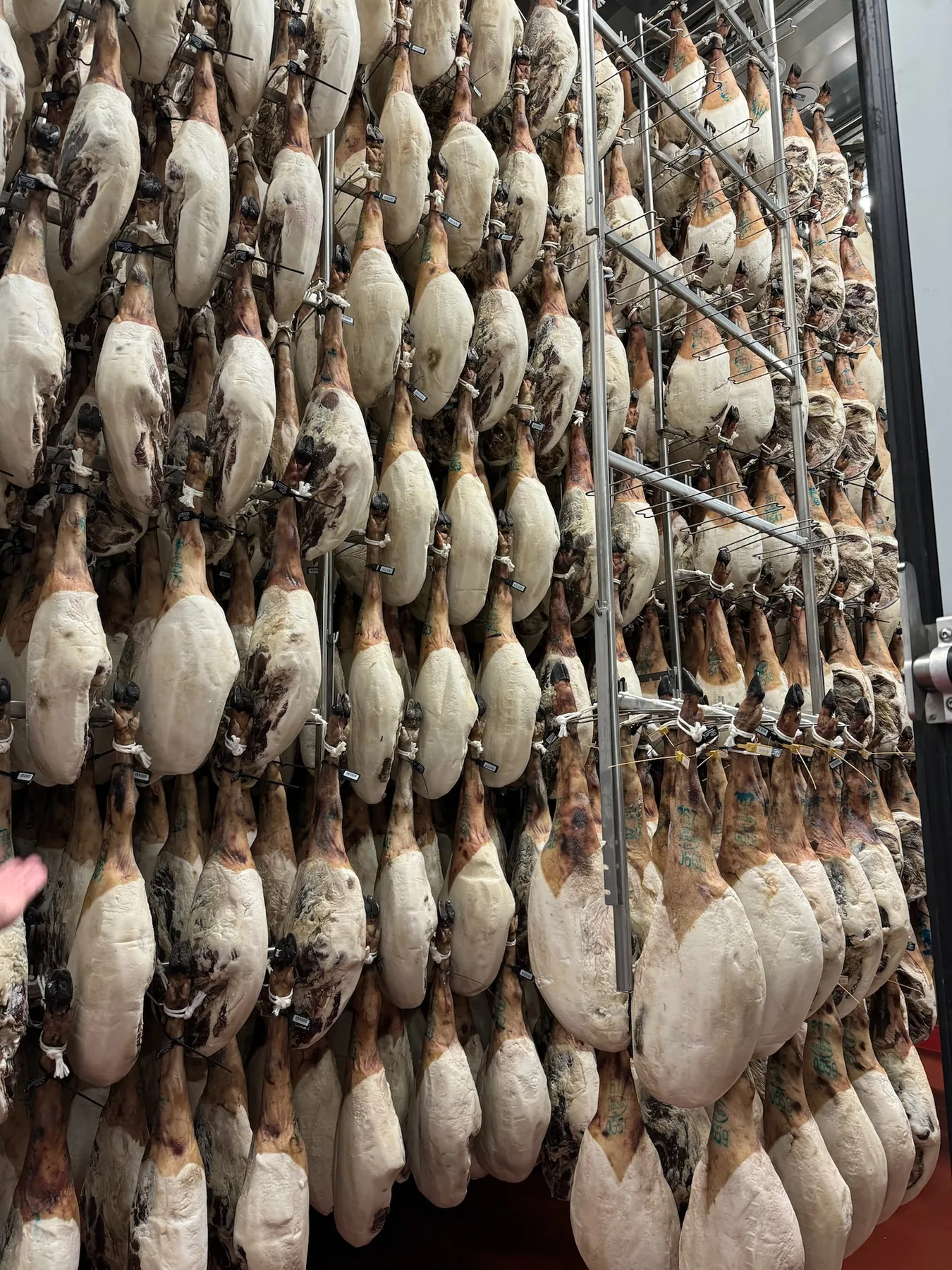
The drying room
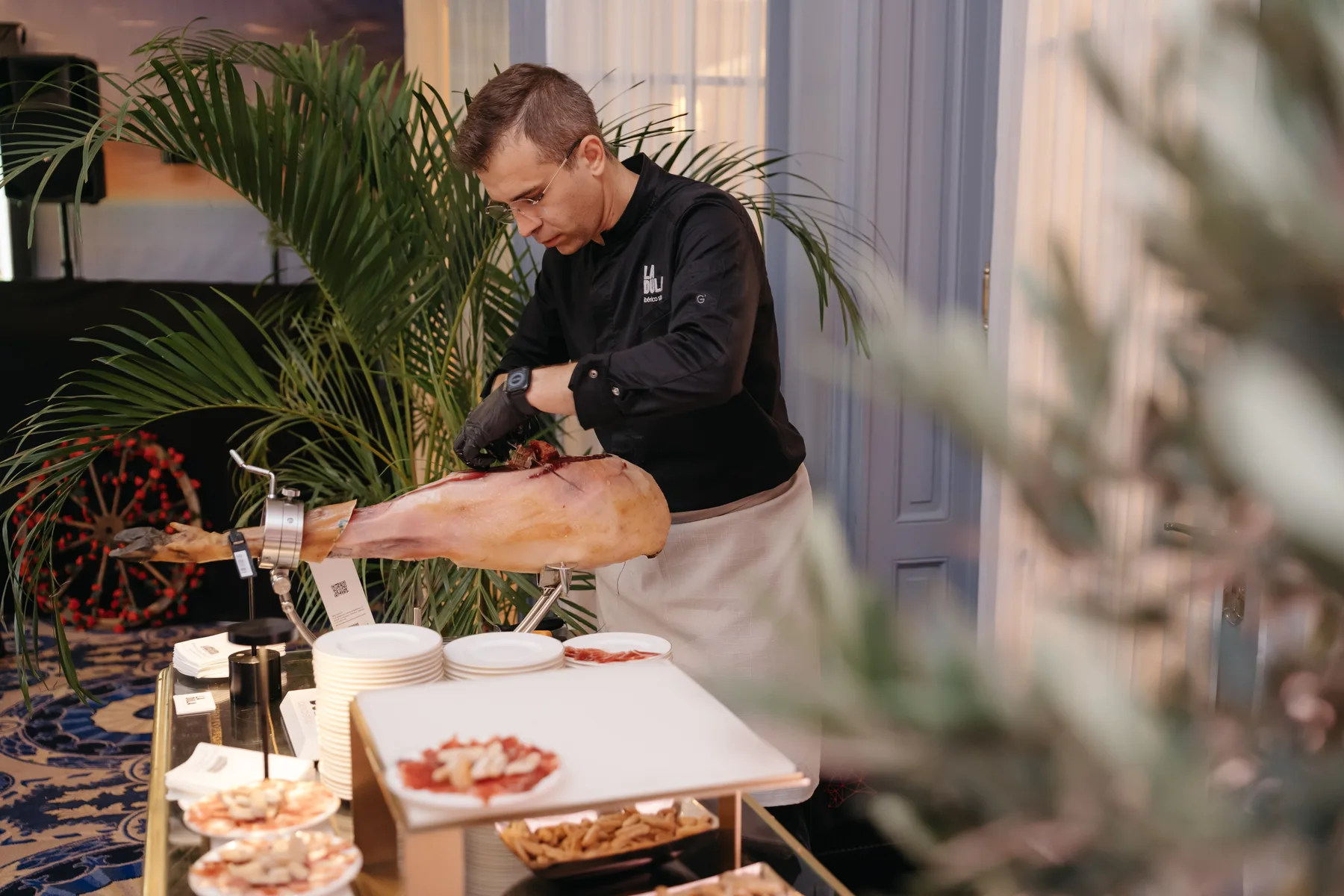
Carving by hand